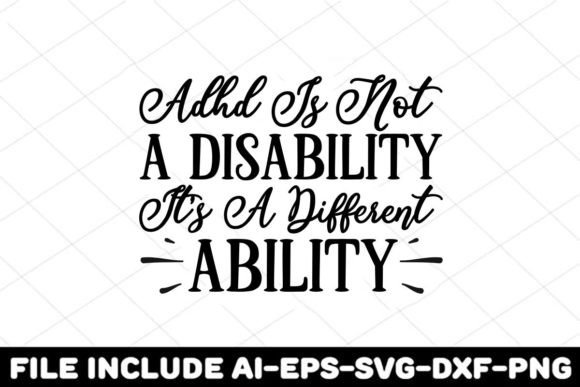
Adhd is Not a Disability It's Graphics & Crafts
As a graphic designer with years of experience in branding, packaging, and digital design assets, I often come across creative resources that promise versatility and quality. Adhd is Not a Disability It s caught my attention as a potential tool for real client projects, especially those involving handmade businesses, small brand identities, or social media graphics. Let’s dive into what this design asset offers and how it might fit into your workflow.
First Impressions: A Bold Visual Statement
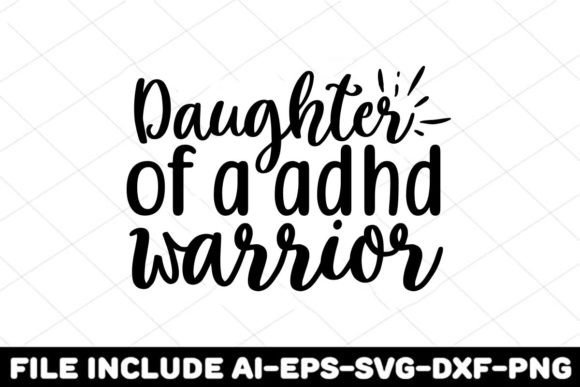
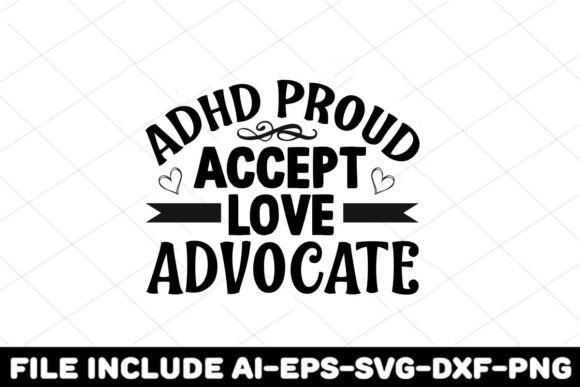
The first thing that stands out about Adhd is Not a Disability It s is its strong visual presence. The design has a modern, edgy feel that leans into expressive typography and bold shapes. It doesn’t shy away from being eye-catching, which makes it ideal for projects that need to stand out in crowded digital spaces or physical print materials.
This style feels right at home in creative markets like Etsy, print-on-demand, or small business branding. It’s not the kind of design you’d use for corporate materials, but it could be perfect for a boutique product line, a seasonal campaign, or a branded merchandise collection.
Real-World Design Applications
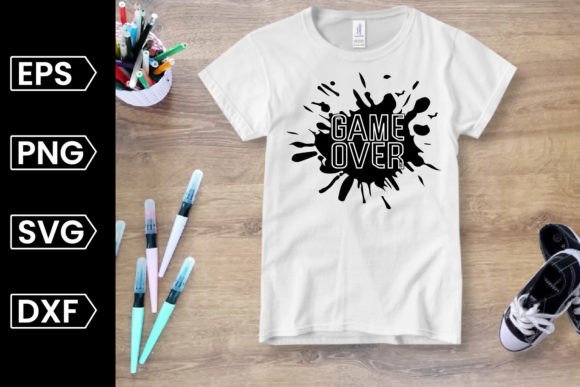
When considering Adhd is Not a Disability It s for client work, it’s important to think about where it can add value. This design asset works well in logo design, especially for brands that want to communicate energy, individuality, or a sense of empowerment. It also fits naturally into product labels, packaging design, and t-shirt designs where a strong visual identity is key.
For social media graphics, Adhd is Not a Disability It s could serve as a hero image or a featured post. Its high-resolution PNG and SVG formats make it easy to scale without losing quality. Whether it’s used in Canva templates, Instagram posts, or Pinterest pins, the design maintains clarity and impact.
In editorial design or web design, this asset could act as a decorative accent or a thematic element. It might also be useful for sticker design, printable wall art, or Cricut projects where a bold, customizable look is needed.
Where It Shines: Large Layouts and Themed Campaigns
Adhd is Not a Disability It s excels in large layout areas such as posters, banners, or product mockups. Its high-quality resolution ensures it looks sharp on both digital and print mediums. When placed on a website or in a marketing campaign, it adds a layer of visual interest without overwhelming the overall composition.
This design is particularly effective in themed collections or seasonal campaigns where a cohesive aesthetic is required. It can be part of a larger design bundle, offering consistency while allowing for color variations and edits. For handmade businesses or small-scale print-on-demand sellers, this flexibility is a big plus.
Where to Use It Carefully: Minimalist and Corporate Projects
While Adhd is Not a Disability It s is powerful in certain contexts, it may not be the best choice for minimalist branding or professional corporate materials. In low-contrast designs or crowded layouts, the boldness of the asset could create visual clutter and reduce readability.
It’s also important to consider the target audience. If the project requires a clean, structured visual hierarchy, this design might not align with the desired tone. For example, in a corporate report or a formal invitation, the energy of Adhd is Not a Disability It s could feel out of place.
Design Considerations: Readability and Brand Consistency
One of the most important aspects of any graphic design asset is its ability to support clear communication. Adhd is Not a Disability It s has a strong visual identity, but it’s crucial to test it in different scenarios. Try placing it on various background colors, check contrast levels, and ensure it remains legible at smaller sizes.
When used in branding or marketing visuals, it should reinforce the overall message of the project. If the goal is to build trust and professionalism, this design may need to be paired with more subdued elements. However, if the brand is looking to express creativity or individuality, Adhd is Not a Disability It s could be a great fit.
Practical Designer Notes: What to Check Before Use
Before using Adhd is Not a Disability It s for a client project, there are several practical steps to take. First, test the design in black and white to see how it holds up without color. Then, preview it on light and dark backgrounds to ensure visibility and contrast.
Check how it looks at different sizes—especially if it will be used in small formats like stickers or product tags. Also, review the file formats provided. Ai, EPS, SVG, and PNG files offer flexibility for editing and scaling, while high-resolution JPGs are ideal for mockups and print.
If transparency is involved, inspect the PNG design to confirm it meets your needs. For vector-based projects, verify that the SVG or DXF files are editable and compatible with your design software. Lastly, always check the commercial license to ensure it’s suitable for your intended use.
Final Thoughts: A Strong Asset for the Right Project
Adhd is Not a Disability It s is a versatile graphic design asset that can add energy and personality to a wide range of projects. Its bold style and high-quality formats make it a valuable addition to a designer’s toolkit, especially for creative marketplaces, handmade businesses, or social media campaigns.
However, it’s not a one-size-fits-all solution. Understanding where it works best and where it needs careful handling is key to leveraging its full potential. As with any design asset, testing and thoughtful application are essential to achieving a polished, professional result.