Horse Hair Don’t Care: Graphics for Crafts & Content
As a blog designer and digital publisher, I always look for graphic design assets that can elevate the visual storytelling of content. Horse Hair Don’t Care is one such asset that offers versatility, quality, and creative potential for real-world publishing needs. Whether you're working on blog graphics, editorial layouts, or social media visuals, this collection delivers strong visual appeal with a touch of artistic flair.
First Impressions: A Bold, Artistic Mood
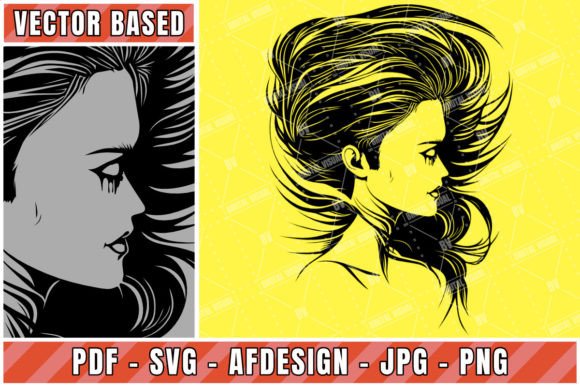
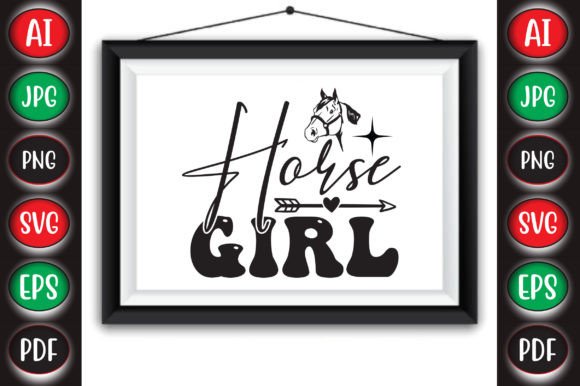
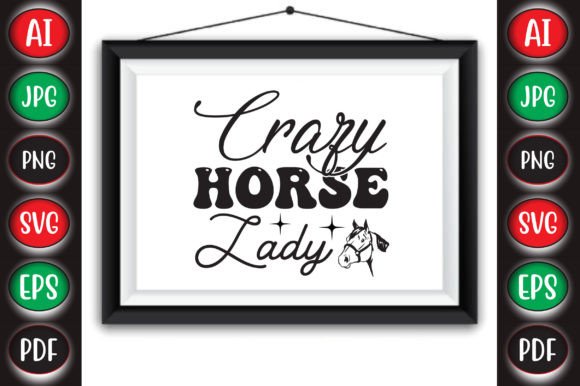
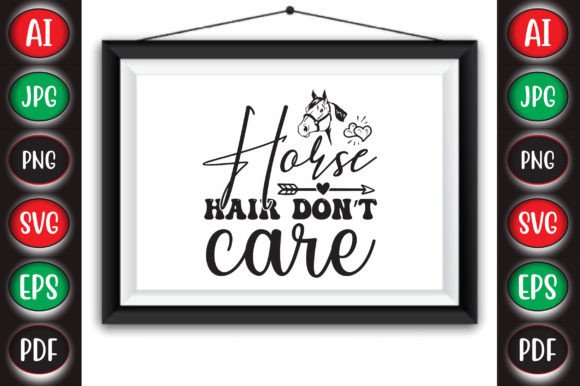
Horse Hair Don’t Care immediately catches the eye with its unique blend of rustic charm and modern design. The imagery feels like it belongs in a lifestyle or artisanal niche—perfect for blogs focused on crafts, DIY projects, or creative entrepreneurship. Its aesthetic leans toward playful yet polished, making it ideal for content that wants to feel approachable but professional.
The use of textures and bold lines suggests a handcrafted origin, which can help build trust with readers who value authenticity. This kind of visual mood supports content that aims to be both informative and visually engaging, whether it's a tutorial, guide, or product review.
Real-World Publishing Use Cases
Horse Hair Don’t Care is more than just a pretty image—it’s a functional graphic design asset that can be adapted across multiple publishing platforms. Here are some practical applications:
- Blog Featured Images: Use it as a striking header or background for posts about crafts, handmade goods, or creative workflows.
- Pinterest Pins: The high-resolution files and transparent backgrounds make it perfect for eye-catching Pinterest graphics that stand out in feeds.
- Article Headers: Incorporate it into article banners to create a cohesive visual identity across your site.
- Newsletter Banners: Add it to email templates to create a professional and engaging look for your subscribers.
- Lead Magnets: Use it as a background for downloadable resources like worksheets, checklists, or guides.
- Social Media Posts: Customize it for Instagram, Facebook, or Twitter to maintain brand consistency across platforms.
This flexibility makes Horse Hair Don’t Care a valuable addition to any content marketing strategy, especially for publishers looking to streamline their design workflow.
Boosting Content Performance
Visuals play a crucial role in how readers perceive and interact with content. Horse Hair Don’t Care enhances several key areas of content performance:
- Stronger First Impression: High-quality images grab attention and set the tone for the content that follows.
- Clearer Visual Hierarchy: The design elements help guide the reader’s eye through the content, improving readability and engagement.
- Better Click-Through Potential: Eye-catching visuals can increase the likelihood of users clicking through to read more.
- Consistent Branding: Using the same design asset across different content formats helps reinforce brand identity.
- Improved Reader Trust: Professional-looking visuals signal credibility and care, which can enhance audience loyalty.
For publishers, these benefits translate into better engagement metrics, higher conversion rates, and a more polished online presence.
Where Horse Hair Don’t Care Shines
This graphic design asset excels in scenarios where visual impact matters most. It works best as:
- Hero Images: Large, full-width banners that draw attention and set the stage for content.
- Article Thumbnails: Standout images that encourage clicks on search results or social media posts.
- Pinterest Pins: Visually rich graphics that perform well in the platform’s algorithm-driven feed.
- Blog Graphics: Backgrounds, overlays, or accents that add visual interest without overwhelming the text.
- Content Upgrades: Customized designs for lead magnets or downloadable resources that align with your brand.
Its clean, editable format ensures it can be tailored to fit any editorial style while maintaining high quality.
When to Use It Carefully
While Horse Hair Don’t Care is versatile, there are situations where it may not be the best choice:
- Small Mobile Thumbnails: The intricate details might not scale well on smaller screens.
- Text-Heavy Blog Images: Overloading an image with text could reduce readability and clarity.
- Low-Contrast Backgrounds: Ensure the design stands out against the background for optimal visibility.
- Busy Layouts: Avoid using it in complex designs where it could clash with other elements.
- Serious Professional Niches: For corporate or highly minimalist websites, this style may feel too decorative.
Understanding these limitations helps publishers make informed decisions about where and how to use the asset effectively.
Publisher Notes: Testing and Optimization
To get the most out of Horse Hair Don’t Care, consider these practical steps:
- Test on Desktop and Mobile: Ensure it looks good on all screen sizes and resolutions.
- Preview in Real Blog Layouts: See how it integrates with your existing design system.
- Check Contrast and Readability: Make sure text and design elements are legible against different backgrounds.
- Try Different Fonts: Test it alongside various font styles to see how it complements your typography.
- Review File Size: Optimize images for web performance without sacrificing quality.
- Confirm Commercial License: Verify that it’s suitable for monetized sites, affiliate pages, or paid content products.
These steps ensure that Horse Hair Don’t Care not only looks great but also functions well within your content ecosystem.
Final Thoughts: A Creative Asset for Publishers
Horse Hair Don’t Care is more than just a graphic design asset—it’s a tool for enhancing editorial design, website branding, and content marketing efforts. With its high-quality files, customizable options, and versatile use cases, it’s a smart choice for publishers looking to elevate their visual storytelling.
Whether you're creating blog graphics, social media visuals, or digital guides, this asset provides the creative freedom and technical support needed to produce professional, engaging content. As a designer and publisher, I find it particularly useful for small business branding, craft-focused blogs, and creative marketplaces where visual appeal is key.